
The short answer
A mold inspection is a building-science investigation: it finds the moisture source, the affected materials and the likely extent. Mold testing is laboratory analysis of air or surface samples. Inspection is almost always required; testing is only useful when it can answer a specific question that inspection alone cannot.
Inspection finds
The moisture source
Testing answers
Specific questions
Florida rule
Assessor ≠ remediator
Bad sign
Test-first sales pitch
Mold is a moisture problem first
Every mold colony needs three things: a spore (always present in any building), an organic surface (drywall paper, wood, dust on a coil), and water. The first two are everywhere. Water is the variable.
An inspection that does not identify the moisture source is incomplete. Removing visible growth without correcting the moisture guarantees the colony comes back, usually within months.
What a real inspection includes
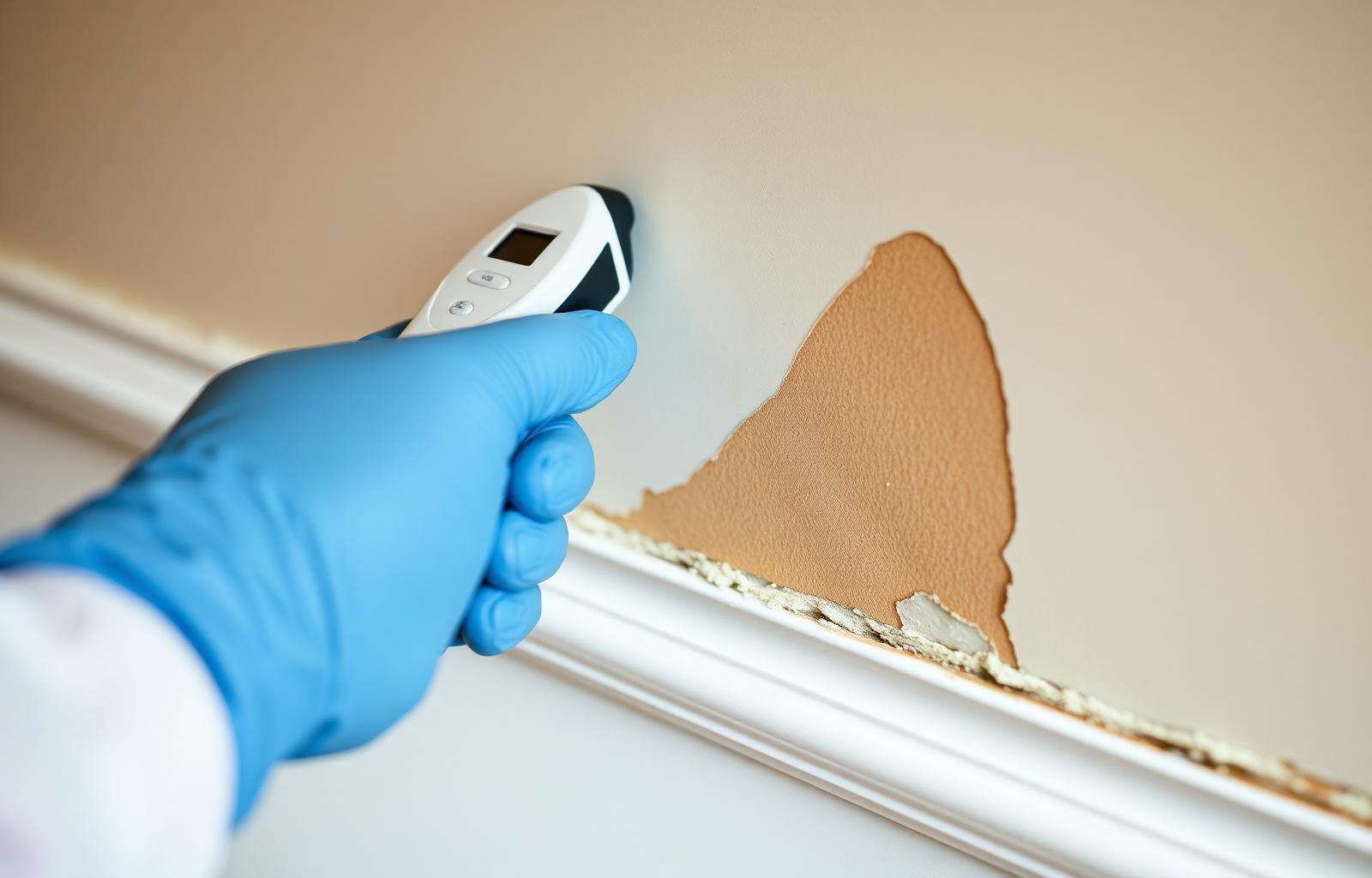
Pre-inspection interview to understand water history, renovations and complaints. On-site moisture mapping with pin and pinless meters. Thermal imaging where moisture is suspected behind finishes. HVAC and condensate review. Documented findings and a clear scope.
If a 'mold inspector' shows up, walks the building for 30 minutes, drops an air pump in two rooms and emails you a lab report — you did not get an inspection. You got a sales lead.
When testing actually helps
Hidden growth suspected (the wall smells, the meter is wet, you cannot see it): targeted cavity or wall-bay sampling can confirm whether you need to open the wall before opening it.
Post-remediation verification (clearance): required by Florida law to be performed by an independent assessor, with reference and work-area samples.
Real-estate or legal documentation: a defensible record of conditions at a specific point in time, with chain of custody and lab accreditation.
Outside those scenarios, testing rarely changes the remediation plan.
The Florida separation rule
Florida statute (Chapter 468 Part XVI) prohibits the same company from both assessing and remediating mold on the same project. The assessor writes the scope; a different licensed firm executes it; the assessor returns to verify.
If a single company offers to inspect, test, write the protocol and do the remediation — they cannot legally do all of those on the same job in Florida, and you should not let them.
FAQs
Frequently asked
- Do I need testing if I can see the mold?
- Usually no. If you can see it, you can scope it. Test when you need a defensible record, when growth is suspected but not visible, or when verifying that remediation worked.
- What does air sampling actually measure?
- Spore counts per cubic meter of air, by genus, compared against an outdoor reference sample taken the same day. Elevated indoor counts of moisture-indicator genera (Stachybotrys, Chaetomium, Aspergillus/Penicillium) suggest active indoor growth.
- How much should a real mold inspection cost in Florida?
- A residential assessment typically runs several hundred dollars for visual + moisture mapping, plus the cost of any lab samples ($50–$120 each). Quotes well below that often skip the moisture investigation entirely.
Related services